Key Takeaways
- Buck teeth usually mean increased overjet: upper front teeth sit too far forward vs the lowers.
- It’s not only cosmetic: protruding incisors are more vulnerable to chips/fractures and can affect bite comfort.
- Orthodontics is the main fix: braces or aligners reduce overjet by moving teeth into healthier positions.
- Early assessment helps: in growing kids, functional appliances can guide jaw growth and reduce severity.
- Lips feel hard to close comfortably, or teeth feel “exposed”.
- Front teeth look at higher risk during sports/falls.
- Biting into foods (apple/sandwich) feels awkward.
- You’re self-conscious in photos or avoid smiling.
Get a Transparent Treatment Plan
Send your photos and we’ll share a realistic plan, timeline and options—no surprises.
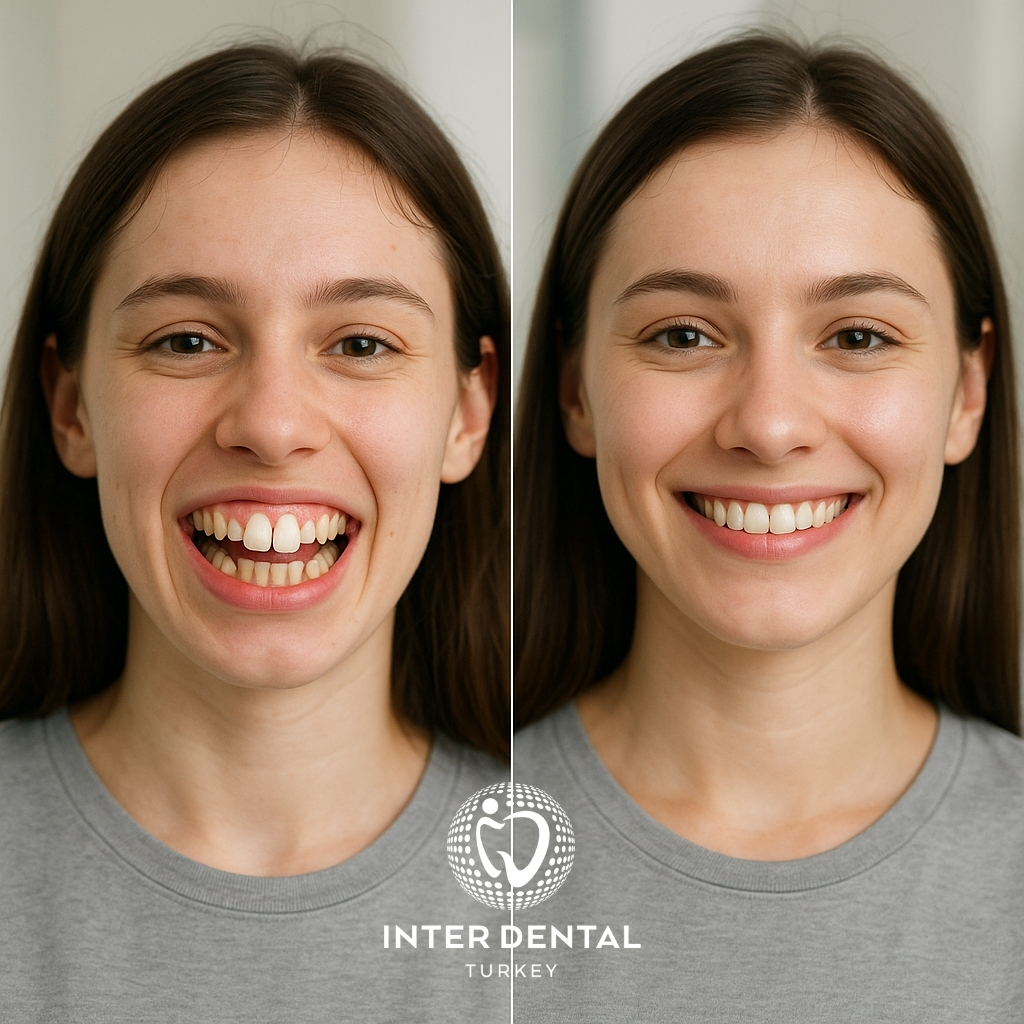
Buck teeth also called protruding front teeth or an increased overjet—are very common, especially in children and teenagers. For some people it’s a cute childhood feature; for others, it becomes a real concern that affects confidence, chewing, and even speech.
In this guide, we’ll look at what buck teeth are, why they happen, when they can cause problems, and which treatment options are available from traditional braces to clear aligners and jaw surgery in more severe cases.
What Are Buck Teeth?
In a healthy bite, the upper front teeth sit slightly in front of the lower front teeth, with a small, normal overlap. With buck teeth:
- The upper front teeth stick out much further than normal
- There is a noticeable horizontal gap between upper and lower front teeth
- From the side, the teeth (and sometimes lips) can look more “forward” than the chin
Dentists often call this an increased overjet or Class II malocclusion.
Common Signs and Symptoms of Buck Teeth
Buck teeth can be very mild or very pronounced. Typical signs include:
- Upper front teeth clearly protruding over the lower ones
- Difficulty keeping the lips comfortably closed without effort
- Gums and front teeth showing more than you’d like when you smile
- Front teeth feeling more vulnerable when you fall or bump your mouth
- Difficulty biting into certain foods (like apples or sandwiches)
- Slight speech issues, especially with sounds like “s”, “z” or “sh”
- Feeling self-conscious in photos or when laughing
What Causes Buck Teeth?
Buck teeth rarely appear “out of nowhere”. Usually it’s a combination of genetics, childhood habits, and jaw development.
1) Genetics and family traits
If one or both parents have protruding front teeth, a retruded lower jaw, or a more forward upper jaw, it’s more likely a child develops a similar pattern.
2) Thumb sucking, dummy use and other habits
Prolonged habits can push front teeth forward while the jaw is still growing:
- Prolonged dummy (pacifier) use
- Thumb/finger sucking
- Biting on toys/pens for long periods
- Tongue thrusting
3) Mouth breathing
Mouth breathing (often due to allergies, enlarged tonsils or adenoids) can influence tongue posture, upper jaw width and facial growth patterns contributing to narrower arches and protruding incisors in some children.
4) Jaw bone discrepancies
Sometimes the main driver is skeletal: a small/retruded lower jaw or a more protruded upper jaw. In mild cases orthodontics can help; in severe adult cases, orthognathic (jaw) surgery may be recommended alongside braces.
5) Early/late loss of baby teeth
If baby teeth are lost early or permanent teeth erupt late, neighbouring teeth may drift—creating crowding, spacing or forward movement in the front teeth.
Are Buck Teeth Just a Cosmetic Problem?
Not always. Buck teeth can also cause functional and health issues, such as:
- Higher risk of trauma: protruding front teeth are more exposed in falls/sports and more likely to chip or fracture.
- Uneven wear: bite imbalance can wear some teeth faster.
- Jaw joint strain: an imbalanced bite can contribute to pain/clicking in some patients.
- Chewing difficulties: certain foods are harder to bite/tear.
- Speech changes: “s”/“z” sounds can be affected in some cases.
- Confidence impact: many people avoid smiling in photos or laughing freely.
How Are Buck Teeth Treated?
The best treatment depends on age, severity, and whether the issue is teeth, jaws, or both.
1) Braces (fixed orthodontics)
Braces remain the most reliable way to correct buck teeth mild to severe cases.
- Metal braces: powerful and cost effective
- Ceramic braces: similar mechanics, more discreet appearance
Goal: move upper front teeth back, improve bite relationship, and reduce overjet.
2) Clear aligners (Invisalign® and similar)
Clear aligners are discreet and removable. They can work very well for mild moderate cases, but require strong compliance (20–22 hours/day).
3) Functional appliances in growing children
In children/early teens, removable functional appliances can encourage forward lower-jaw growth and reduce severity before full braces. Timing often matters (commonly 8–14 depending on growth).
4) Orthognathic (jaw) surgery for severe cases
If overjet is large due to jaw position, braces alone may not be enough in adults. Treatment may involve braces + surgery + finishing orthodontics.
5) Cosmetic options in very mild cases
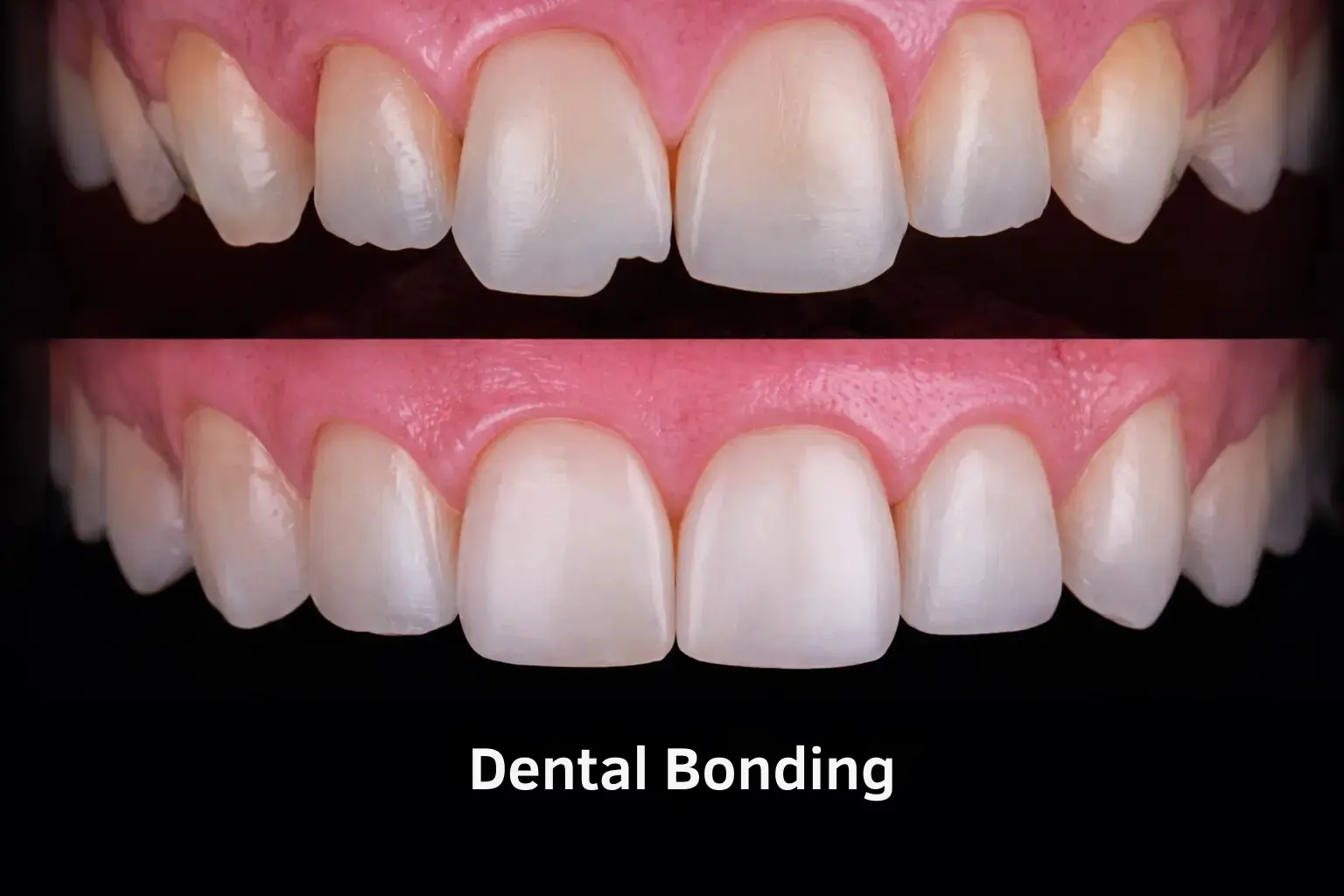
Composite bonding, veneers, or crowns can change tooth appearance but they do not correct the underlying bite/jaw relationship. These options should be planned carefully.
When Is the Best Time to Treat Buck Teeth?
- Children: first orthodontic check often around 7–8; early habit/jaw guidance can help.
- Teenagers: common time for braces/aligners; growth can be advantageous.
- Adults: never too late; braces/aligners work well, surgery only for complex severe skeletal cases.
Can You Fix Buck Teeth at Home?
Short answer: no and DIY methods can be dangerous.
- Damage tooth roots
- Cause gum recession and mobility
- Disrupt blood supply
- Create worse bite/jaw issues
FAQ: Buck Teeth
Are buck teeth the same as an overbite?
Not exactly. “Buck teeth” usually refers to an increased overjet (horizontal protrusion of upper incisors). An overbite is typically the vertical overlap. Many people have a combination.
Can clear aligners fix buck teeth?
Yes, in many mild to moderate cases—especially when the issue is mainly tooth position. Severe jaw discrepancies may need braces and/or surgery.
Do buck teeth always need treatment?
Not always. If the overjet is mild and doesn’t affect function or confidence, monitoring can be fine. Treatment is recommended when there’s trauma risk, bite issues, or quality-of-life concerns.
Is treatment easier in children?
Often yes. Growth can be guided with functional appliances, potentially reducing severity before braces. A check around age 7–8 is commonly advised.
Can veneers “hide” buck teeth?
Veneers can change shape/appearance, but they don’t correct the bite or jaw relationship. For meaningful protrusion, orthodontics is usually the safer foundation.
How long does it take to correct buck teeth?
It depends on severity and method. Many orthodontic cases range from months to a couple of years. Your dentist/orthodontist can give a realistic timeline after assessment.
Final Thoughts: You Don’t Have to Live With Buck Teeth Forever
Buck teeth are common—but you don’t have to accept them if they affect comfort or confidence. Modern orthodontics offers multiple paths: metal/ceramic braces, clear aligners, growth-guiding appliances in children, and surgery for complex severe cases.
👉 Book a consultation to find out which option fits your bite, goals and timeline—and what results you can realistically expect.
Related Posts
More helpful reads on confidence, photo realism, and breathing habits.