
- Side, Kemer Blv. No:24/A, 07330
- Manavgat, Antalya
- Türkiye
Freddie Mercury’s Teeth: The Real Story & Today’s Options
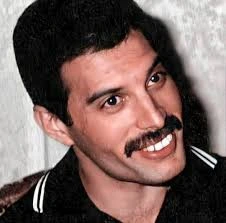
Cold Open: A Smile That Outlived the Spotlight
A microphone, a stadium, and a grin the cameras loved. Long after the encore, people still google “Freddie Mercury teeth” not out of vanity, but because that smile felt like part of the music. What if we told you the real lesson isn’t about copying a look, but understanding your own bite?
The Forensic Bit
Overbite, not a mystery: His upper front teeth sat forward visually striking and easy to spot in photos.
Hyperdontia—maybe: The story of “extra teeth” (supernumerary) is widely repeated; plausible, but unprovablewithout records.
Function first: Crowding and forward teeth can stress chewing, speech, and joints. Good plans protect function and esthetics together.
Diagnosis needs real data: exam + photos + X-ray/scan. Inspiration is fine; planning must be personal.
Myth Audit: Three Claims, Three Verdicts
“His teeth made his voice.”
Verdict: Romantic but not scientific. Oral shape affects resonance, yet technique, training, anatomy, and breath control do the heavy lifting.“Overbite always needs surgery.”
Verdict: No. Many adult cases respond well to clear aligners or braces; surgery is for specific skeletal patterns after full assessment.“Veneers are bad for teeth.”
Verdict: Outdated. Minimal-prep veneers can be conservative and durable when the bite is stable and the plan is right.
Your Pathway If You Like That Look (Without Losing Yourself)
Step 1 — Map the bite.
Photos, intraoral scan, and a short “teeth together / side profile” video.
Step 2 — Move what matters.
Clear aligners / braces: Reduce overbite, relieve crowding, balance function.
Step 3 — Shape the front line (optional).
Veneers or bonding: Refine edges, proportions, and translucency once the bite is stable.
Step 4 — If extra teeth exist.
Conservative removal by oral surgery, then aligners.
Step 5 — Missing teeth?
Implants + ceramic restorations for strength and esthetics.
Mini Case Notes (Typical Adult Scenario)
Goal: Softer overbite, cleaner edges, brighter but natural color.
Plan: 9–12 months of aligners → whitening → 2–4 minimal-prep veneers.
Why it works: Movement first for stability; veneer finesse for symmetry and light.
Traveling Patients (Short + Useful)
Multilingual team (EN/DE/TR) and realistic timelines.
Fast tracks: Veneers/prosthetics in 3–7 days; aligners with remote check-ins.
Aftercare you can keep: written instructions + online reviews.
Contact us more information.
