Composite Bonding at a Glance
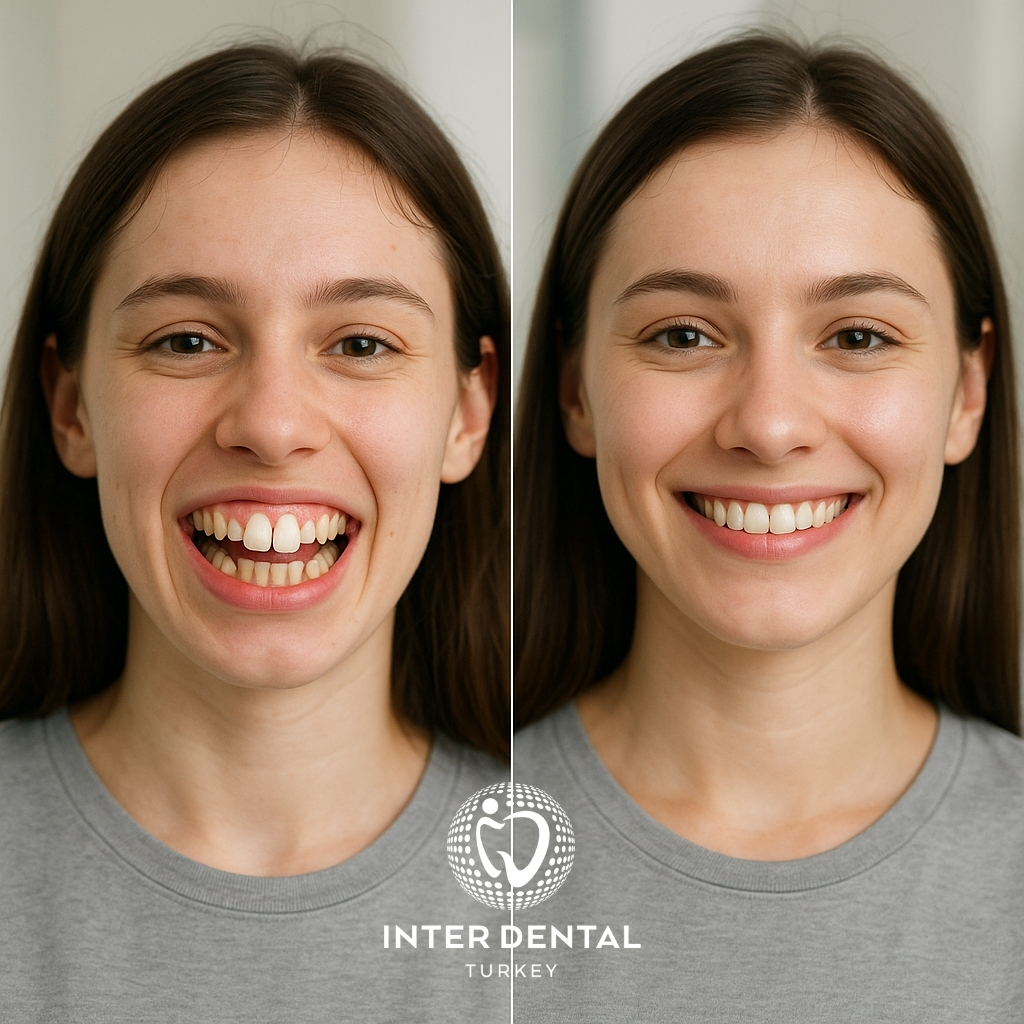
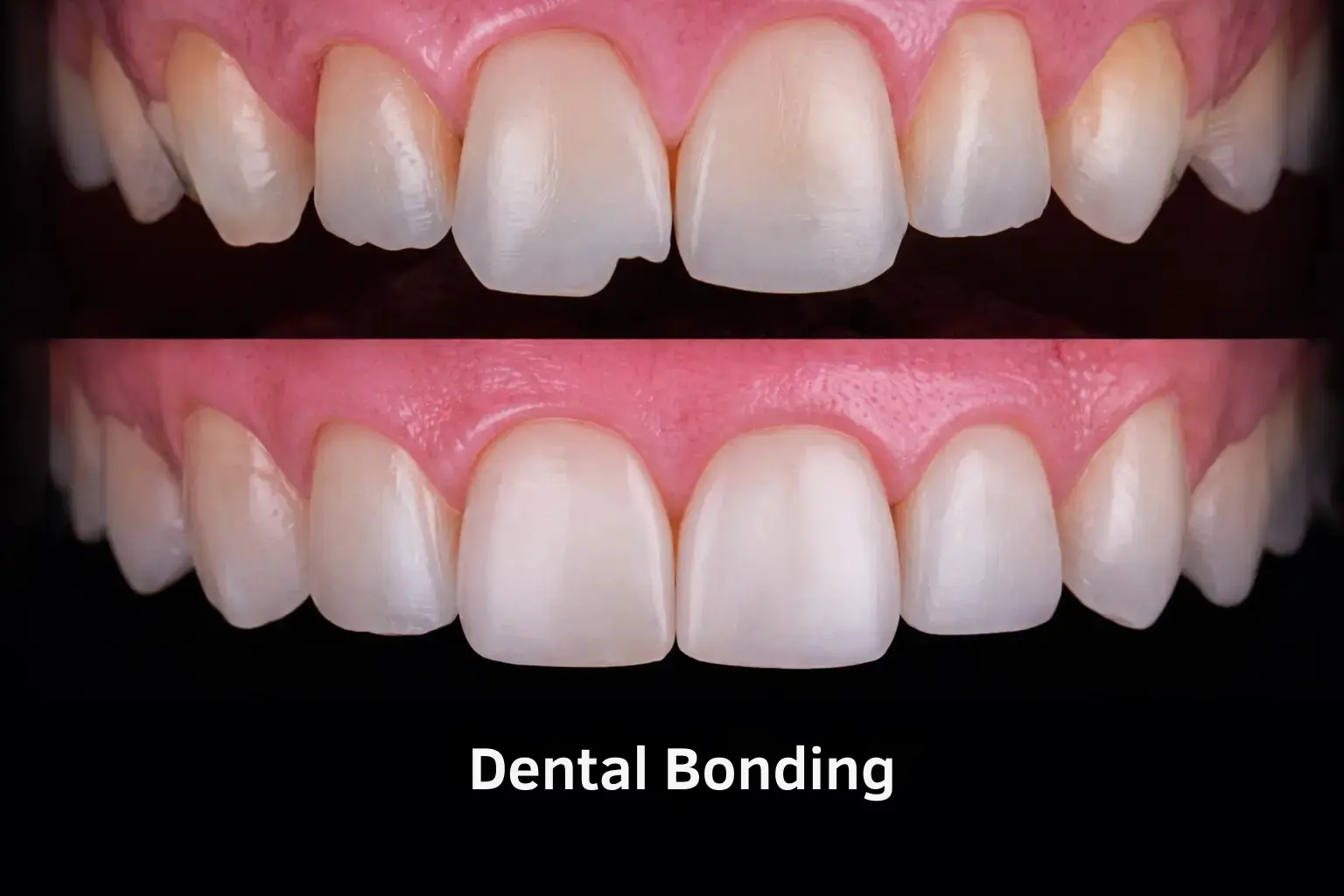
If you want to refine your smile without a long treatment timeline, composite bonding (often called dental bonding) can be a practical, conservative option. It’s most commonly used on front teeth for subtle improvements—small chips, tiny gaps, uneven edges, or minor shape and colour irregularities—while keeping tooth preparation to a minimum in many cases.
- Best for: small-to-moderate cosmetic fixes (chips, edges, small gaps, shape tweaks).
- Visit: often one appointment (multiple teeth may take longer).
- Durability: bonding may need maintenance over time (polish, touch-up or repair).
- Staining: composite can stain more than porcelain—aftercare matters.
- If you grind: ask about a night guard to protect results.
What Is Composite Bonding (Dental Bonding)?
Composite bonding is a cosmetic procedure where a tooth-coloured composite resin is applied to the tooth surface, shaped to improve appearance, and hardened with a curing light. After that, your dentist polishes it so it blends naturally with your smile.
Compared with many other aesthetic treatments, bonding can be very conservative because it often requires minimal enamel removal. That’s why it’s commonly chosen for subtle smile enhancements—especially when the underlying tooth structure is healthy.
Benefits of Composite Bonding
People often choose bonding because they want fast, natural-looking improvements without a complex treatment plan. Common benefits include:
- Speed: many cases can be completed in a single visit.
- Natural appearance: composite can be colour-matched and polished for a lifelike finish.
- Versatility: helps with small chips, minor cracks, uneven edges and tiny gaps.
- Conservative approach: minimal preparation in many situations.
- Repairable: chips can often be repaired without redoing everything.
Bonding vs Veneers (and Crowns): Which Is Right?
Bonding is ideal for small-to-moderate cosmetic corrections. If you want a major change in colour or shape across many teeth, porcelain veneers (or crowns in some cases) may be a better match. The right option depends on your enamel, bite and long-term goals.
| Feature | Bonding (Composite) | Porcelain Veneers |
|---|---|---|
| Tooth preparation | Often minimal | Usually requires enamel removal |
| Stain resistance | More prone to staining | More stain-resistant |
| Repairs | Often repairable / touch-ups possible | Typically replaced if damaged |
| Best for | Small chips, edges, tiny gaps, subtle shape tweaks | Broader smile redesign, stronger colour change, larger shape corrections |
How Long Does Bonding Last?
Bonding isn’t “forever,” but it can last for years with good care. In many cases, composite bonding may last around 3 to 10 years before it needs a touch-up, repair or replacement (durability depends on habits, bite forces and how many teeth were treated).
To help bonding last longer, avoid biting hard foods with the front teeth, stop habits like nail or pen biting, and keep regular check-ups. If you grind your teeth, a night guard can protect your results.
How Is Dental Bonding Done?
Bonding is usually a comfortable procedure. A typical appointment may include:
- Shade selection to match your natural tooth colour.
- Gentle surface preparation to improve adhesion.
- Layering, shaping and refining the resin (this is where aesthetics are “made”).
- Light curing to harden the material.
- Finishing and polishing for a smooth, glossy look.
Is Dental Bonding Painful?
In most cases, bonding is not painful and may not require anaesthesia because the procedure often stays on the outer surface of the tooth. If you have sensitivity—or if a small amount of reshaping is needed—your dentist can use local anaesthesia for comfort.
Mild temperature sensitivity can happen temporarily, especially if multiple teeth were treated, but it usually settles quickly.
Aftercare & Staining: How to Keep Bonding Looking Great
Composite can stain and wear over time. The goal is to protect the polish and avoid chipping—especially in the first days after treatment.
- Avoid biting hard foods (ice, nuts, hard crust) with bonded front teeth.
- Reduce staining habits (coffee/tea/red wine/smoking) and rinse with water after staining drinks.
- Use a soft toothbrush and non-abrasive toothpaste (overly abrasive formulas can dull the shine).
- Keep regular cleanings—professional polishing helps restore gloss.
- If you grind or clench, wear a night guard as recommended.
Composite Bonding Cost: What Affects the Price?
Bonding costs vary because it’s a technique-sensitive, time-based treatment. The main factors include:
- Number of teeth and how complex the reshaping is.
- Extent of correction (tiny edge vs closing gaps vs rebuilding shape).
- Composite quality and polishing system.
- Bite and habits (grinding may require a night guard).
- Whether other treatment is needed first (gum inflammation, cavities, old restorations).
Which Teeth Can Be Bonded?
Bonding is most common on front teeth because it’s frequently used to enhance smile aesthetics. It can also be used on other teeth in certain cases, but heavy biting forces may increase wear.
- Front tooth chips and minor cracks
- Small gaps between teeth
- Uneven edges or minor shape issues
- Localised discolouration that doesn’t respond well to whitening
- Small aesthetic adjustments for symmetry
Who Is Not a Good Candidate for Bonding?
Bonding is not the best choice for every situation. It may not be ideal if:
- You have severe teeth grinding or clenching without protection.
- The tooth has large structural damage that needs a stronger restoration.
- You have a major bite problem that places excessive pressure on the bonded area.
- Oral hygiene is poor or gum inflammation is uncontrolled.
- Heavy smoking causes frequent staining (bonding can stain over time).
Is Dental Bonding Strong?
Bonding can be strong and reliable when it’s used for the right indications. However, composite resin is not as hard as porcelain. Hard biting habits and trauma can increase the risk of chipping.
With proper case selection, good polishing and bite planning, bonding can stay beautiful and functional for a long time.

Frequently Asked Questions
Is composite bonding the same as a composite filling?
How much does composite bonding cost?
Will composite bonding stain from coffee, tea or smoking?
Can composite bonding be repaired if it chips?
Does composite bonding damage teeth?
How do I take care of composite bonded teeth?
Sources
We aim to keep this guide practical and evidence-aligned. For additional reading, you can review: