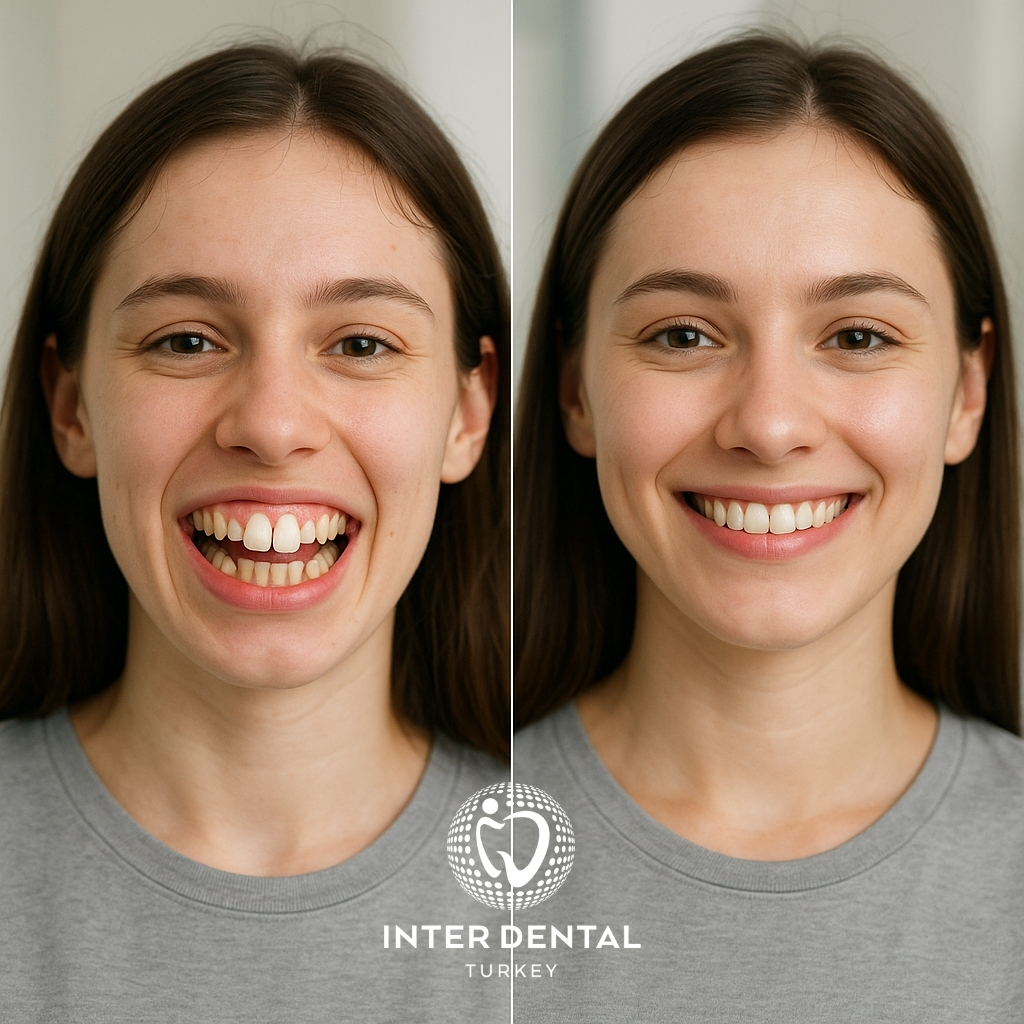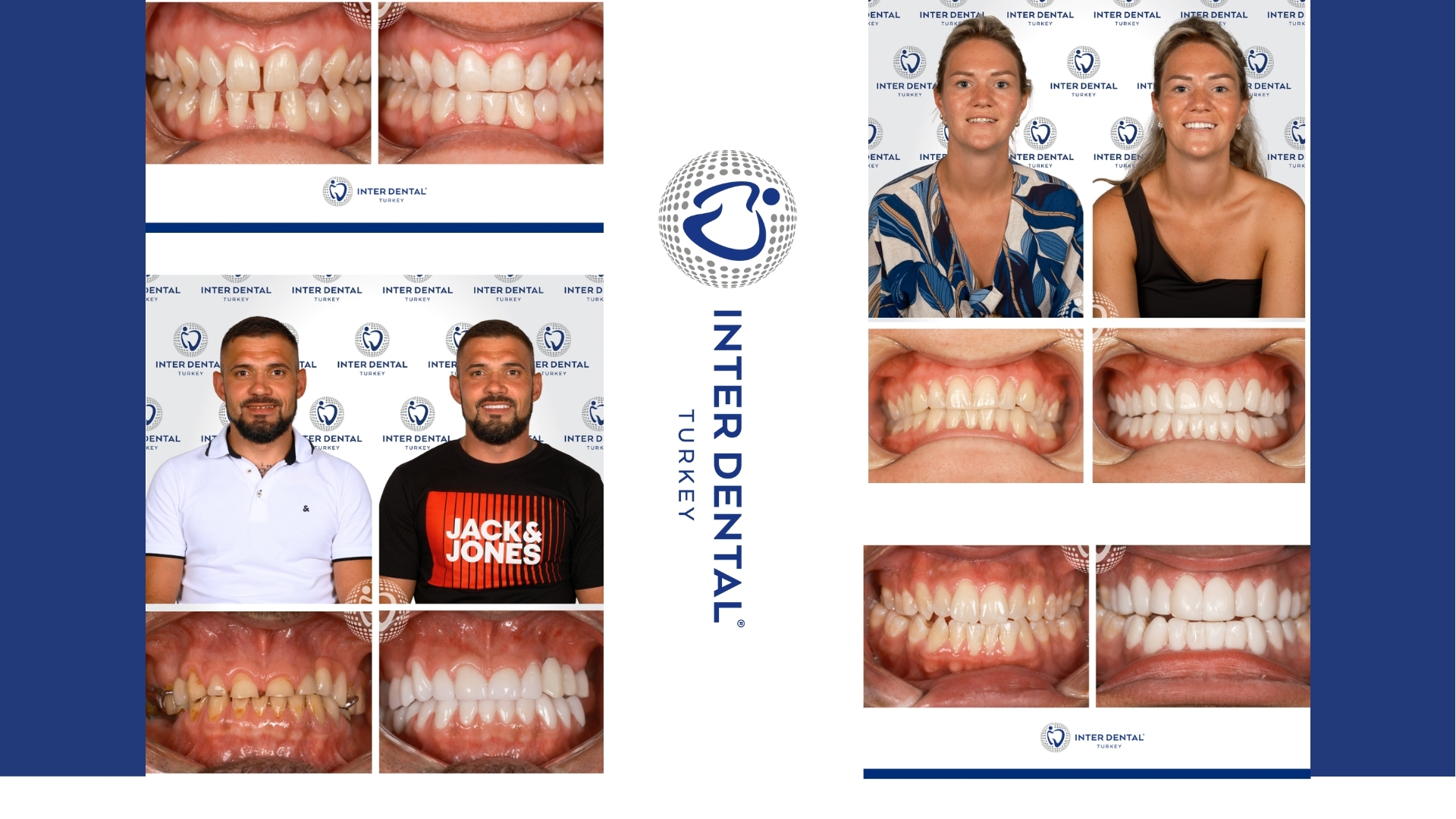
Key Takeaways
- Inspiration is fine—planning must be personal: exam + photos + X-ray/scan guide safe decisions.
- Function first, aesthetics second: stable bite and healthy gums make cosmetic work last longer.
- Not every overbite needs surgery: many adult cases improve with aligners or braces after assessment.
- Modern veneers can be conservative: minimal-prep options are possible when the bite is stable and the plan is right.
- Ask what’s functional (bite/overjet) vs what’s cosmetic (shape/shade).
- Request a preview (scan + mock-up) before any irreversible steps.
- Confirm the plan includes retention (retainers) if teeth are moved.
- Choose a shade that’s bright but believable for your age and skin tone.
Get a Transparent Treatment Plan
Send your photos and we’ll share a realistic plan, timeline and material options—no surprises.
Message on WhatsApp Contact / AppointmentCold Open: A Smile That Outlived the Spotlight
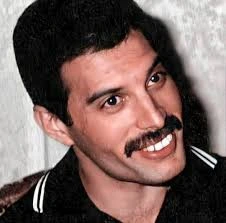
A microphone, a stadium, and a grin the cameras loved. Long after the encore, people still google “Freddie Mercury teeth” not out of vanity, but because that smile felt like part of the music. What if we told you the real lesson isn’t about copying a look, but understanding your own bite?
The Forensic Bit
- Overbite, not a mystery: His upper front teeth sat forward—visually striking and easy to spot in photos.
- Hyperdontia—maybe: The story of “extra teeth” (supernumerary) is widely repeated; plausible, but unprovable without records.
- Function first: Crowding and forward teeth can stress chewing, speech, and joints. Good plans protect function and aesthetics together.
- Diagnosis needs real data: exam + photos + X-ray/scan. Inspiration is fine; planning must be personal.
Myth Audit: Three Claims, Three Verdicts
“His teeth made his voice.”
Verdict: Romantic but not scientific. Oral shape affects resonance, yet technique, training, anatomy, and breath control do the heavy lifting.
“Overbite always needs surgery.”
Verdict: No. Many adult cases respond well to clear aligners or braces; surgery is for specific skeletal patterns after full assessment.
“Veneers are bad for teeth.”
Verdict: Outdated. Minimal-prep veneers can be conservative and durable when the bite is stable and the plan is right.
Your Pathway If You Like That Look (Without Losing Yourself)
Step 1 — Map the bite.
Photos, intraoral scan, and a short “teeth together / side profile” video.
Step 2 — Move what matters.
Clear aligners / braces: reduce overbite, relieve crowding, balance function.
Step 3 — Shape the front line (optional).
Veneers or bonding: refine edges, proportions, and translucency once the bite is stable.
Step 4 — If extra teeth exist.
Conservative removal by oral surgery, then aligners.
Step 5 — Missing teeth?
Implants + ceramic restorations for strength and aesthetics.
Mini Case Notes (Typical Adult Scenario)
- Goal: softer overbite, cleaner edges, brighter but natural colour.
- Plan: 9–12 months of aligners → whitening → 2–4 minimal-prep veneers.
- Why it works: movement first for stability; veneer finesse for symmetry and light.
Traveling Patients (Short + Useful)
- Multilingual team (EN/DE/TR) and realistic timelines.
- Fast tracks: veneers/prosthetics in 3–7 days; aligners with remote check-ins.
- Aftercare you can keep: written instructions + online reviews.
FAQ: Freddie Mercury’s Teeth
Did Freddie Mercury have “extra teeth” (hyperdontia)?
The claim is widely repeated and plausible, but without dental records it can’t be confirmed. A proper exam and imaging are needed for any real diagnosis.
Did his teeth affect his singing voice?
It’s a popular story, but there’s no solid scientific proof. Vocal technique, training, anatomy and breath control matter far more than tooth position alone.
Can an overbite be fixed without surgery?
Often, yes. Many adult cases improve with clear aligners or braces. Surgery is reserved for certain skeletal patterns after a full orthodontic assessment.
Are veneers always damaging to teeth?
Not necessarily. Modern minimal-prep veneers can be conservative when the bite is stable and the plan is carefully designed for long-term gum and tooth health.
Final Thought
The best “celebrity smile” lesson isn’t to copy a face—it’s to copy the process: diagnose properly, fix function first, then refine aesthetics with a conservative plan.
Related Posts
More helpful reads on bite, smile design and treatment planning.