Quick summary: tartar, dental scaling, and why it matters
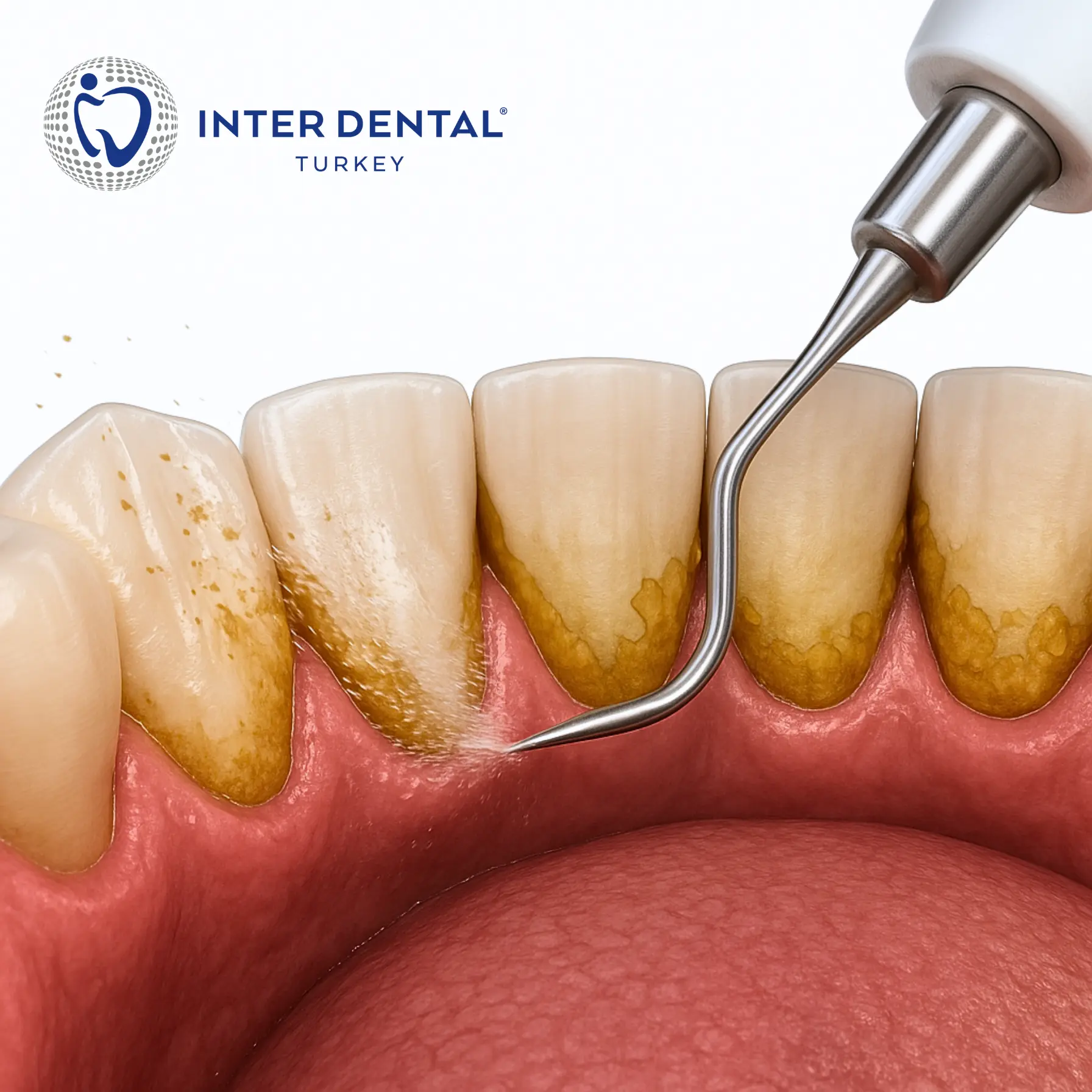
Tartar (also called calculus) forms when soft plaque stays on the teeth long enough to harden and mineralize. Brushing and flossing help remove plaque, but once it becomes tartar, it usually cannot be removed safely at home.
Dental scaling (tartar cleaning) removes these hardened deposits from the tooth surface and around the gumline. The main goals are healthier gums, less bleeding and inflammation, better breath, and lowering the risk of gum disease progression.
What is tartar cleaning (dental scaling)?
Tartar cleaning is the professional removal of hardened deposits from teeth and around the gumline. It is performed by a dentist or dental hygienist using clinical instruments designed to remove calculus without damaging the enamel.
Beyond aesthetics, scaling supports gum health by reducing the bacterial buildup that contributes to gingivitis and periodontitis. It can also make daily home care easier because smoother surfaces collect less plaque.
How is tartar cleaning done?
Most appointments combine two methods:
- Ultrasonic scaling: Vibrations loosen tartar while water flushes debris from the area.
- Manual scaling: Fine hand instruments remove remaining deposits, especially between teeth and near the gumline.
If tartar extends below the gumline or gum pockets are present, your dentist may recommend a deeper periodontal cleaning. This can include scaling and root planing, which smooths root surfaces to help gums heal and reattach.
Steps of the procedure
Time varies with tartar amount, gum sensitivity, and whether deposits extend below the gumline. The steps below reflect a typical scaling and polishing visit.
1) Examination and assessment
- Your dentist checks tartar buildup, gum bleeding, sensitivity, and areas that trap plaque.
- If needed, X rays can help assess bone support and tartar below the gumline.
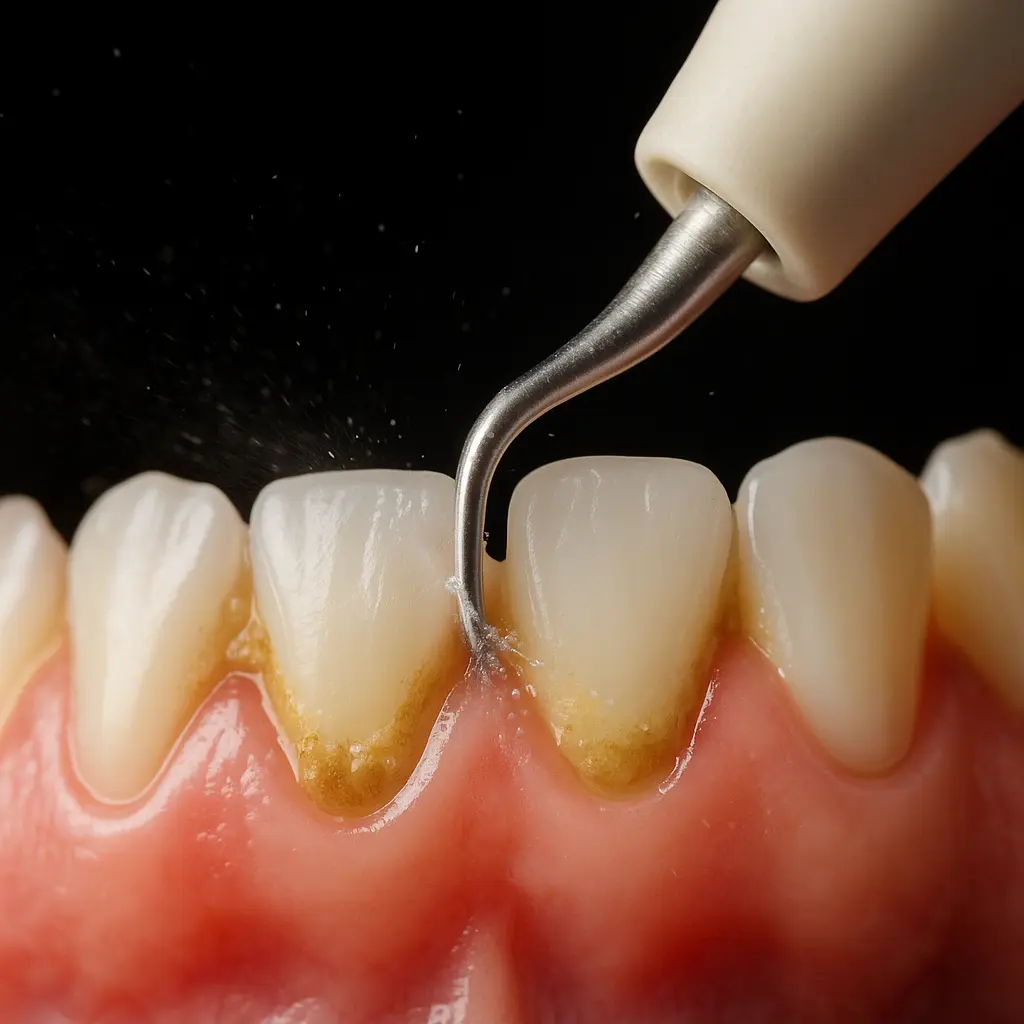
2) Ultrasonic scaling
- Tartar is removed from visible surfaces and along the gumline.
- Water spray cools the area and helps rinse away debris.
3) Manual scaling
- Remaining deposits are carefully removed, especially between teeth and tight areas.
- Rough spots are smoothed to reduce plaque retention.
4) Polishing
- Polishing paste reduces surface stains and micro roughness.
- Smoother enamel makes plaque less likely to stick.
5) Fluoride application (optional)
- May be recommended for sensitivity or higher cavity risk.
- Supports enamel strengthening when used appropriately.
Tartar removal vs. polishing
- Scaling (tartar removal): Removes hardened calculus and supports gum health.
- Polishing: Smooths the surface and reduces stains to support easier home care.
In many visits, both are done in the same appointment: scaling first, then polishing.
Benefits and “is it harmful?”
Benefits of tartar cleaning
- Less gum bleeding and swelling: Reduces the triggers of inflammation.
- Fresher breath: Tartar and plaque can harbor odor causing bacteria.
- Lower risk of gum disease progression: Helps keep gingivitis and periodontitis under control.
- Cleaner, smoother teeth: Makes daily brushing and interdental cleaning more effective.
- Reduced surface staining: Tea, coffee, and smoking stains may lighten after polishing.
Is dental scaling harmful?
When performed professionally, scaling does not damage enamel. What people often interpret as “damage” is usually one of the following:
- Temporary sensitivity: Tartar can cover areas; once removed, the tooth surface may feel more sensitive for a short time.
- Existing gum recession: Scaling does not create recession, but it can reveal areas that were previously hidden by inflammation or buildup.
- Inflamed gums before treatment: Tender gums can feel sore during the first days after cleaning.
- At home scraping: Using sharp tools at home is the real risk, because it can scratch enamel and injure gums.
Aftercare: what to do after scaling
Your mouth often feels fresher right away. The first few days are important because healthy habits help gums calm down and keep plaque from building up again.
Brushing and interdental cleaning
- Brush twice daily for 2 minutes using a soft brush.
- Use floss or interdental brushes for between teeth, as recommended by your dentist.
- Mild bleeding can occur at first and usually improves as inflammation decreases.
Soreness and sensitivity
- Mild sensitivity or gum tenderness can be normal and often improves within 24 to 72 hours.
- If pain is severe, throbbing, or sensitivity lasts longer than a week, a check up is recommended.
Eating and drinking
- For a few hours, avoid very hot or very cold foods if you feel sensitive.
- If gums feel tender, choose softer foods for the first day.
- If polishing was performed, reducing staining drinks such as tea and coffee for 24 hours can help.
Smoking
- Smoking can slow gum healing and increases staining.
- If possible, avoid smoking for 24 to 48 hours after the appointment.
How often should you get tartar cleaned?
- Many people benefit from a check up every 6 months.
- If you build tartar quickly, smoke, wear braces, or have gum issues, 3 to 4 months may be more suitable.
What happens if tartar is not removed?
Tartar does not fall off on its own. Over time, it can spread below the gumline and increase inflammation. If it is not removed, you may see:
- Chronic gum inflammation (gingivitis).
- Gum pockets and recession.
- Progression to periodontitis and bone loss in susceptible patients.
- Tooth mobility, sensitivity, and a higher long term risk of tooth loss.
- Persistent bad breath and repeated bleeding.
How can Inter Dental Turkey help?
We approach tartar cleaning as part of a preventive plan, not just a one time visit. After an exam, we can clarify how often you should have professional cleaning, how to improve your home care, and whether advanced periodontal treatment is needed. If you share photos and symptoms, we can guide the next step clearly.