
Key Takeaways
- Clenching can be silent: many bruxers don’t “grind loudly” they clamp down and overload teeth.
- Cracks don’t self-heal: early protection saves tooth structure and helps prevent repeat breakages.
- One-tooth bite pain matters: sharp pain on bite or release can be a classic cracked-tooth clue.
- The right guard is custom: OTC trays can concentrate forces; a fitted splint spreads load correctly.
- Is the pain in one tooth and worse on release after biting?
- Do you wake with jaw/temple tightness that improves by midday?
- Do you see hairline cracks catching the light on front teeth?
- Have fillings/crowns broken after “just one crunch”?
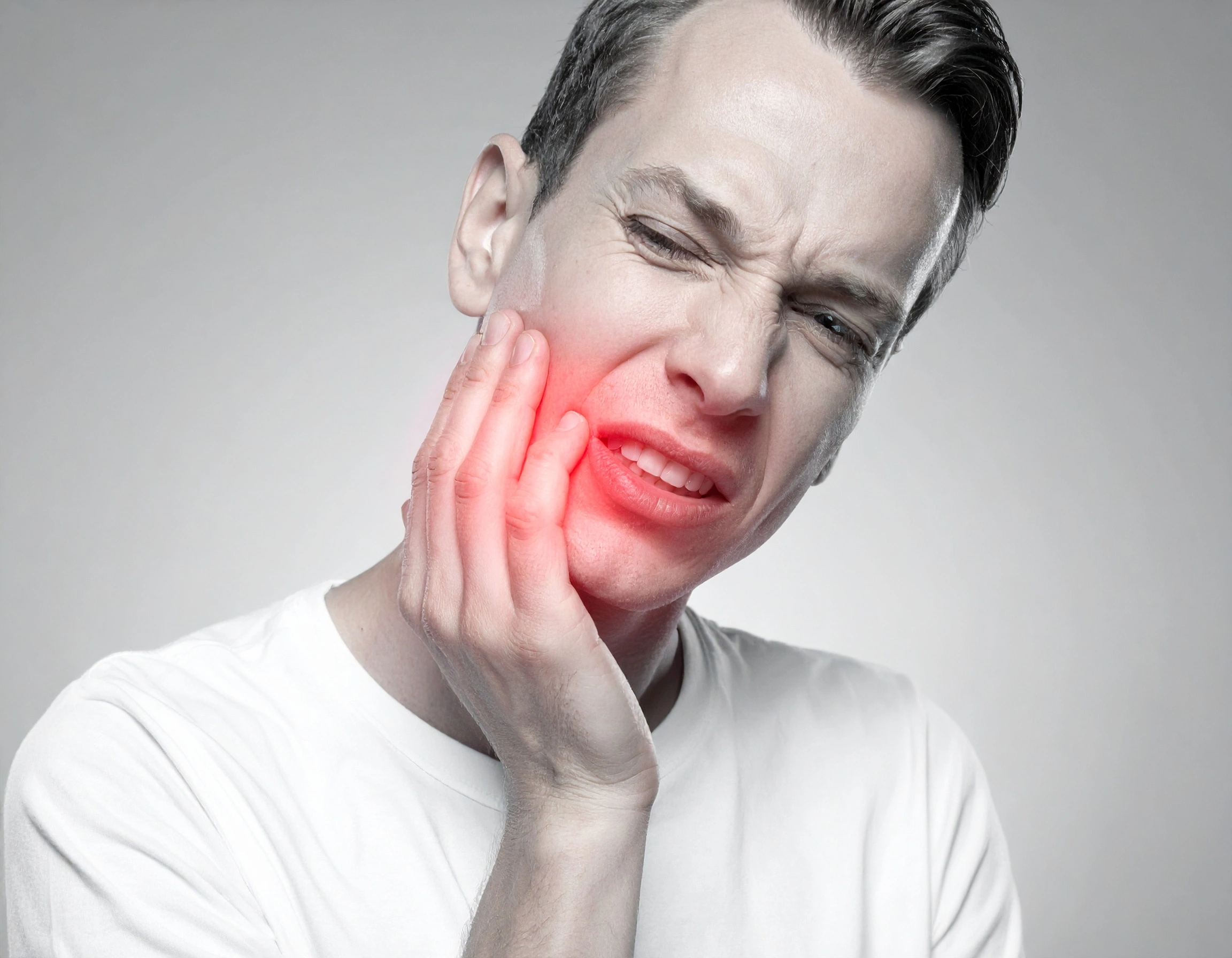
Jaw Clenching, Headaches & Cracked Teeth: the hidden cost of stress on your smile. Deadlines, late screens, poor sleep and “just one more coffee” can add up to bruxism often without you realising.
The result? Morning jaw tightness, temple headaches, bite pain in one tooth, tiny cracks that become big problems, and dental work that breaks before its time.
Heads-up: If you have one-sided bite pain, night-waking throbs, or a tooth that hurts with cold/heat, book a dental exam soon not just a splint.
Why Stress Shows Up in Your Teeth
When your nervous system is on alert, jaw muscles tend to clench as a “stability” reflex day and night. You may not hear classic grinding noises; many bruxers are clenchers, not grinders.
How to Spot Bruxism (Even If You Never Hear Grinding)
- Morning jaw or temple ache that fades by midday
- Flat, shortened front teeth or chipped edges
- Vertical hairline cracks that catch the light
- Bite tenderness in a single tooth (often worse on release)
- Notching near the gumline and cold sensitivity with no obvious decay
- A partner who says you clench or click at night
Sensitivity vs. a Cracked Tooth: What’s the Real Difference?
Typical sensitivity is often generalised and symmetrical, triggered by cold air or sweets. It may improve with sensitive toothpaste and gentler brushing.
A cracked tooth behaves differently: pain is often localised to one tooth, can be sharp on bite or release, and can be inconsistent fine for days, then suddenly zings on a seed or crust. If hot drinks trigger lingering pain, the nerve may be involved.
What Clenching/Grinding Can Break (And Why It Rarely “Self-Heals”)
- It can push micro-cracks through enamel into dentine.
- It may loosen or fracture fillings, veneers, crowns and bridges.
- It can irritate the pulp (nerve), leading to inflammation or persistent pain.
- It can overload the jaw joint (TMJ) and supporting muscles, contributing to headaches.
A Quick Self-Check You Can Do Today
- Morning scan: Are your jaw muscles tender at the sides? Can you open comfortably?
- Edge test: In daylight, tilt a mirror do you see vertical hairline lines on front teeth?
- Bite test: Gently bite on a cotton roll and release. Does one tooth zing on release?
- Habit check: At rest: lips together, teeth apart, tongue relaxed on the palate.
What a Thorough Dentist Does
- History & photos
- Bite/provocation tests
- Transillumination & magnification
- Targeted X-rays (CBCT only if needed)
- Jaw joint and muscle exam
Treatment Options That Actually Work
Custom Night Guard (Occlusal Splint)
Made from scans and adjusted to your bite. OTC trays can concentrate forces in the wrong place or fit poorly.
Conservative Restorations
Onlays/overlays reinforce weak cusps. A full crown is used only when needed.
Root Canal (When the Nerve Is Involved)
If heat triggers lingering pain or you have night-waking throbs, the nerve may be involved and should be assessed promptly.
Lifestyle Upgrades That Reduce Grinding
- Sleep routine + screens down 60 minutes before bed
- Work posture (jaw relaxed, tongue on palate, teeth apart)
- Reduce caffeine after 2 pm
- Micro-breaks + jaw relaxation
When to Book Now
- Bite pain that keeps returning in the same tooth
- Pain on release after chewing
- Hot-triggered, lingering pain or night-waking throbs
- A crown/filling that has broken after a crunch
- Jaw locking, limited opening, swelling, or facial asymmetry

What to Expect at Inter Dental Turkey (Side/Antalya)
At Inter Dental Turkey in Side (Antalya), we treat jaw clenching and “mystery tooth pain” like a diagnosis problem first not a quick-fix problem. Many cases are a mix of bite overload, muscle tension and micro-cracks, so the best results come from a staged, evidence-based plan.
- Step 1 — Identify the pattern: we check whether your symptoms fit bruxism overload, true sensitivity, a cracked-tooth pattern, or nerve involvement.
- Step 2 — Stabilise the bite: we reduce excessive contact points and load that keep “re-triggering” the same tooth.
- Step 3 — Protect tooth structure: we prioritise conservative options first (reinforcement restorations when suitable) before full crowns.
- Step 4 — Long-term prevention: we plan protection so restorations last (custom guard when indicated + habit guidance).
What happens during a thorough assessment
- History + symptom mapping: when it hurts (bite/release, cold/heat, night throbs), and what triggers it.
- Bite analysis: contact points, “high spots”, and overload on specific teeth (often the reason one tooth keeps flaring up).
- Crack screening: magnification + light/transillumination tests to detect hairline fractures that don’t show on photos.
- Targeted imaging: focused X-rays when needed (CBCT only if clinically justified).
- Jaw & muscle exam: tenderness, range of motion, joint clicking/locking, and muscle strain patterns.
What you’ll leave with
- A clear explanation: whether it’s sensitivity, bite overload, bruxism, a cracked-tooth pattern, or a deeper nerve issue.
- Stabilisation plan first: how we reduce pain and protect the tooth before committing to permanent work.
- Transparent options: what’s necessary vs optional, with a realistic timeline and expected outcomes.
- Protection strategy: if indicated, a custom night guard adjusted to your bite (OTC trays can worsen forces).
Our priority is tooth preservation and long-term comfort: we stabilise first (reduce pain, protect cracks, calm the bite), then restore only what’s necessary — with a plan designed to prevent repeat breakages.
When to book promptly: one-tooth bite pain, pain on release, hot-triggered lingering pain, or a restoration that keeps breaking.
FAQ
Can stress really crack teeth?
Yes. Repeated clenching can overload enamel and restorations, creating micro-cracks that may grow over time.
How do I know if I need a night guard?
Morning tightness, wear, cracks and repeat breakages are common clues. A dentist confirms the cause and fits the guard correctly.
Are OTC guards okay?
They can be a temporary option, but fit and bite balance are unpredictable. Custom guards distribute forces more reliably.
What’s the fastest way to relieve jaw tightness?
Reduce load, improve sleep and caffeine habits, and book an exam if pain is one-sided or sharp on bite/release.
Related Posts
More helpful reads related to pain patterns, gums and referred toothache symptoms.