Key Takeaways
- Short, cold-triggered zings can be normal: usually peak in 24 hours and ease within 48 hours.
- Heat pain, throbbing, or one-tooth pain is not normal: stop whitening and get checked.
- Gum “white burns” mean gel contact: whitening should never rely on “it burns so it works.”
- The safest whitening starts with diagnosis: decay, cracks, exposed roots, and erosion change the plan.
Get a Transparent Treatment Plan
Send your photos and we’ll share a realistic plan, timeline and material options no surprises.
Message on WhatsApp Contact / AppointmentTeeth whitening is everywhere clinic treatments, influencer kits, strips, pens, lamps, “turbo” gels. A bit of teeth whitening sensitivity can be normal. But constant zinging pain, burning gums, or “chalky white patches” are not something you should push through.
This guide breaks down, in plain language: what sensitivity is expected, when your teeth or gums may be at risk, 7 clear warning signs you shouldn’t ignore, and what a responsible clinic will (and won’t) do to keep your smile safe.
What counts as “normal” sensitivity after teeth whitening?
A controlled whitening treatment correct gel strength, limited time, proper isolation can temporarily open microscopic enamel pores. That can make teeth react more to cold air, water, or sweet foods for a short period.
Usually normal
- Mild to moderate sensitivity to cold or air
- Short, sharp zings that last only a few seconds
- Sensitivity peaking in the first 24 hours
- Noticeable improvement within 24–48 hours, with steady relief over a few days
- No visible burns or peeling on the gums
If your symptoms fit this pattern and you had supervised treatment, you’re likely experiencing a reversible, expected reaction.
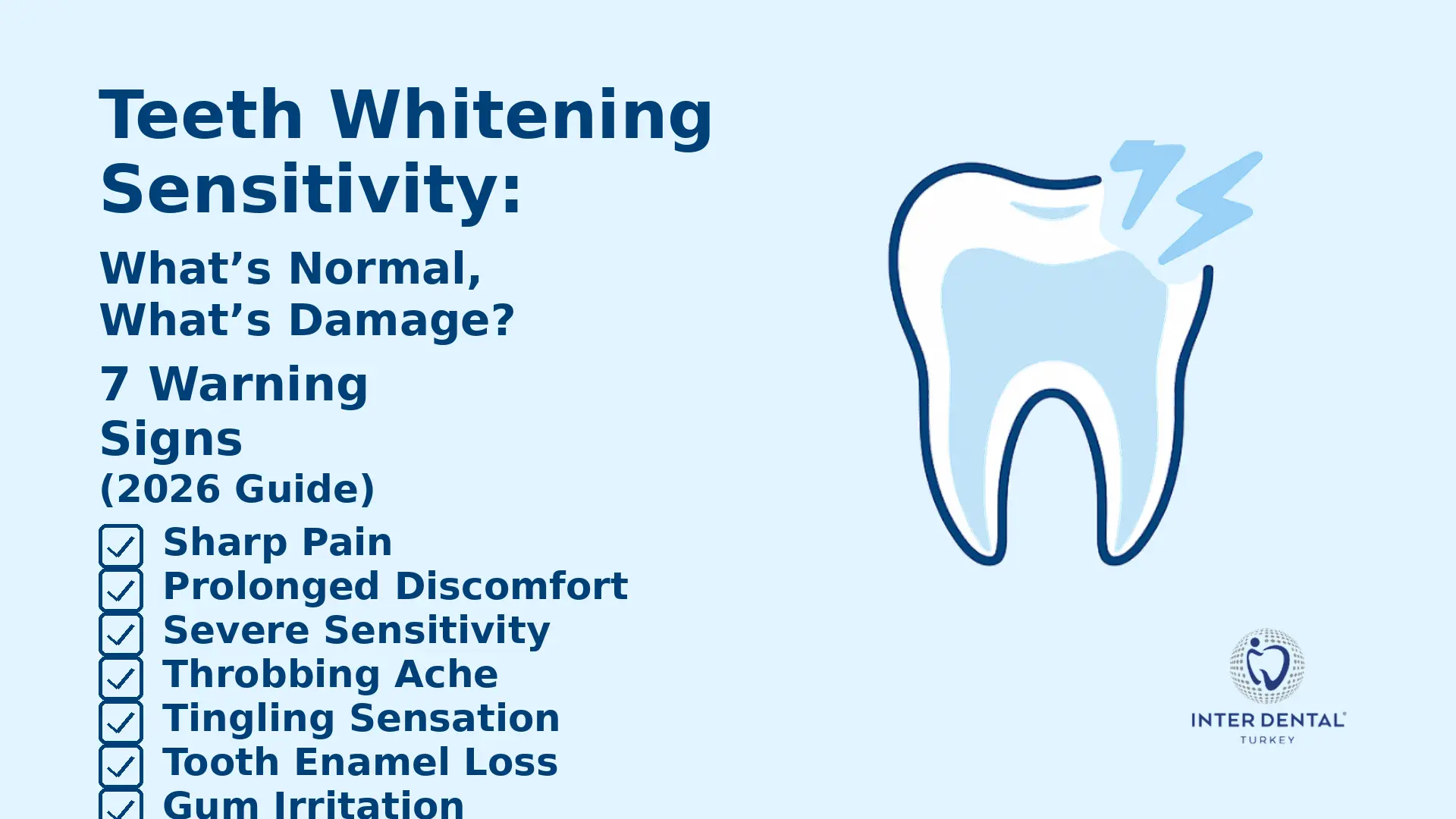
When sensitivity stops being “fine”: 7 warning signs
If you recognise yourself in more than one of these, stop all whitening products and get checked.
- Strong sensitivity lasting longer than 72 hours
- Throbbing or burning pain with hot drinks
- White patches, peeling, or burns on the gums
- One tooth suddenly extremely sensitive (cold/biting)
- Pain that wakes you at night
- New chalky / spotty white areas that weren’t there before
- Severe pain after random online kits or overuse (“every night for 10 days”)
1) Sensitivity that lasts longer than 72 hours
If strong sensitivity is still there 3+ days after whitening (or getting worse), it may indicate over exposed enamel, decay/cracks that whitening “woke up”, or nerve irritation. Normal sensitivity goes down not up.
2) Throbbing or burning pain with hot drinks
Whitening sensitivity is usually cold triggered. If heat (tea, coffee, soup) triggers a lingering, throbbing ache, that’s a red flag for nerve inflammation or deeper problems unrelated to gel. It needs a dentist to localise the tooth properly.
3) White patches or burns on your gums
Bright white “frosted” patches, stinging that continues, or peeling tissue suggests chemical irritation from gel contact. Minor spots can heal but repeated exposure or strong unregulated gels can cause real soft tissue damage. Whitening should never rely on “it burns so it works.”
4) Only one tooth is suddenly extremely sensitive
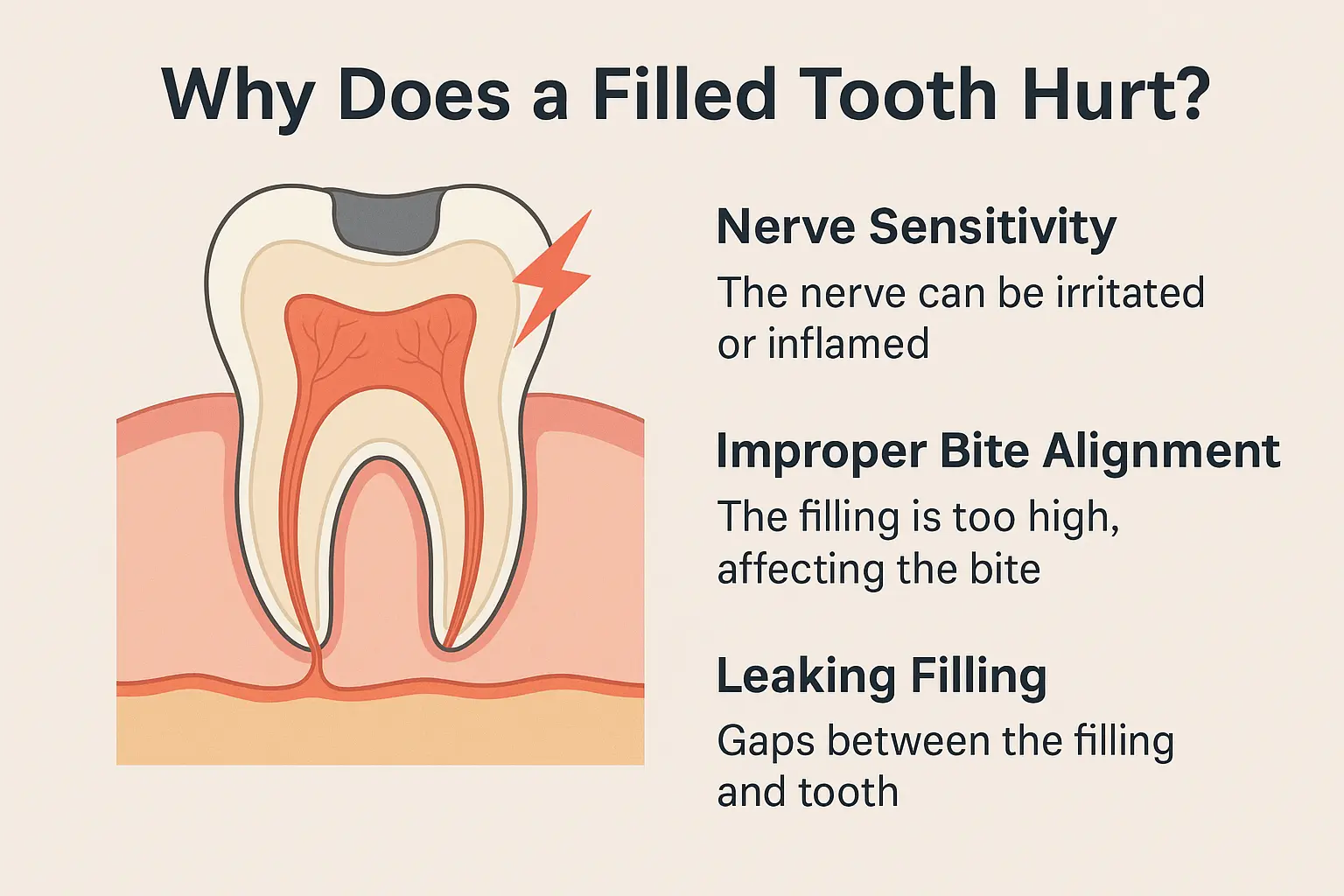
After full-arch whitening, discomfort should feel fairly even. If one tooth screams with cold, hurts on biting, or traps food and triggers pain, whitening likely exposed a crack, leaking filling, early decay, or exposed root. That tooth needs diagnosis not more gel.
5) Pain wakes you at night
Short sharp zaps with ice water can be a normal reaction. Spontaneous, throbbing, sleep-breaking pain is not. Night pain suggests nerve inflammation (pulpitis) and potential infection risk.
6) Chalky “spotty white” areas that weren’t there before
Blotchy, chalky patches or new opaque spots near the necks of teeth may indicate dehydration, decalcification, or enamel defects made more visible. Some are cosmetic; some signal weakness. Either way, pause whitening and get a professional look.
7) Severe pain after random online or overused home kits
If symptoms started after unknown gels from social media, very frequent repetition, using LED lights without proper protocol, or sharing trays not made for your teeth assume overexposure is possible. Stop immediately. Don’t “push through pain” to get whiter.
Home whitening vs professional whitening: what’s the real difference?
It’s not just the chair, lamp, or branding. A safe dentist-led protocol includes:
- Assessment: check for decay, cracks, gum disease, exposed roots, erosion
- Controlled application: custom trays or measured in-office exposure
- Regulated materials: known gel strength and time limits
- Gum protection: proper isolation to prevent burns
- Clear instructions + follow-up: spacing sessions and managing sensitivity
Many online kits skip diagnosis completely meaning you might be whitening over a tooth that actually needs treatment.
Safe ways to ease normal teeth whitening sensitivity
If your symptoms are mild-but-annoying (and improving):
- Use a sensitivity toothpaste (potassium nitrate or stannous fluoride) twice daily.
- Switch to a soft toothbrush and gentle technique.
- Avoid ice-cold drinks, extreme temperatures, and acidic foods (cola, citrus) for 48 hours.
- Space out whitening sessions exactly as recommended—don’t stack extra applications.
- Ask your dentist about professional desensitising gels or fluoride varnish if needed.
If these measures don’t help within a few days, treat it as a warning sign—not something to ignore.
When you should see a dentist quickly
Book an exam as soon as possible if you notice:
- Sensitivity lasting more than 72 hours or worsening
- One tooth reacting sharply to cold/heat or biting
- Gum burns, ulcers, or peeling after gel contact
- Spontaneous throbbing pain, especially at night
- Swelling, bad taste, or visible darkening around a tooth
At that point, the solution is diagnosis—not another tube of whitening gel.
What a responsible clinic will do (and how we approach it)
A clinic that takes your enamel seriously will:
- Refuse to whiten over untreated decay or severe erosion
- Adjust the plan if you already have sensitivity
- Protect your gums properly (isolation/barriers)
- Use approved materials and documented protocols
- Set realistic shade goals (natural bright, not “neon”)
- Record what was done so future dentists understand your history
- Pre-check for gum health, exposed roots, old fillings and crack risk
- Plan that prioritises comfort: spacing sessions + sensitivity management
- Clear aftercare guidance (food/drink triggers, toothpaste, follow-up timing)
- Realistic shade targets that suit your teeth and face not a one size “paper white”
FAQ: Teeth whitening sensitivity, answered
How long should teeth whitening sensitivity last?
Typically a few hours up to 24–48 hours. It should ease steadily, not intensify. If strong sensitivity persists past 72 hours, stop whitening and book a dental check.
Is strong pain normal after whitening?
No. Intense, throbbing, hot-sensitive, one-sided pain, or pain that wakes you at night is a red flag. A dentist needs to localise the tooth and rule out cracks, decay, or nerve inflammation.
Can teeth whitening permanently damage enamel?
Under professional supervision, modern products are designed to be safe. Risk rises with unregulated gels, overuse, and whitening on already weak teeth (erosion, exposed roots, cracks).
My gums turned white during whitening — is that permanent?
Temporary whitening can happen if gel touches the gums and often resolves quickly. But real burns, peeling, ulcers, or persistent stinging should be assessed—especially if it happens repeatedly.
Can I keep using my home kit if it hurts?
If it’s more than mild, short-lived sensitivity: stop. Pain is feedback, not a target. Speak to a dentist before continuing—especially if one tooth hurts more than the others.
Final thought
Whitening should brighten your smile not punish your teeth. Mild cold sensitivity that fades is common, but strong, lingering, hot triggered or one-tooth pain is your cue to pause and get checked. A safe plan starts with diagnosis and protects enamel and gums at every step.
Related Posts
More helpful reads for safer cosmetic decisions and everyday oral health.