
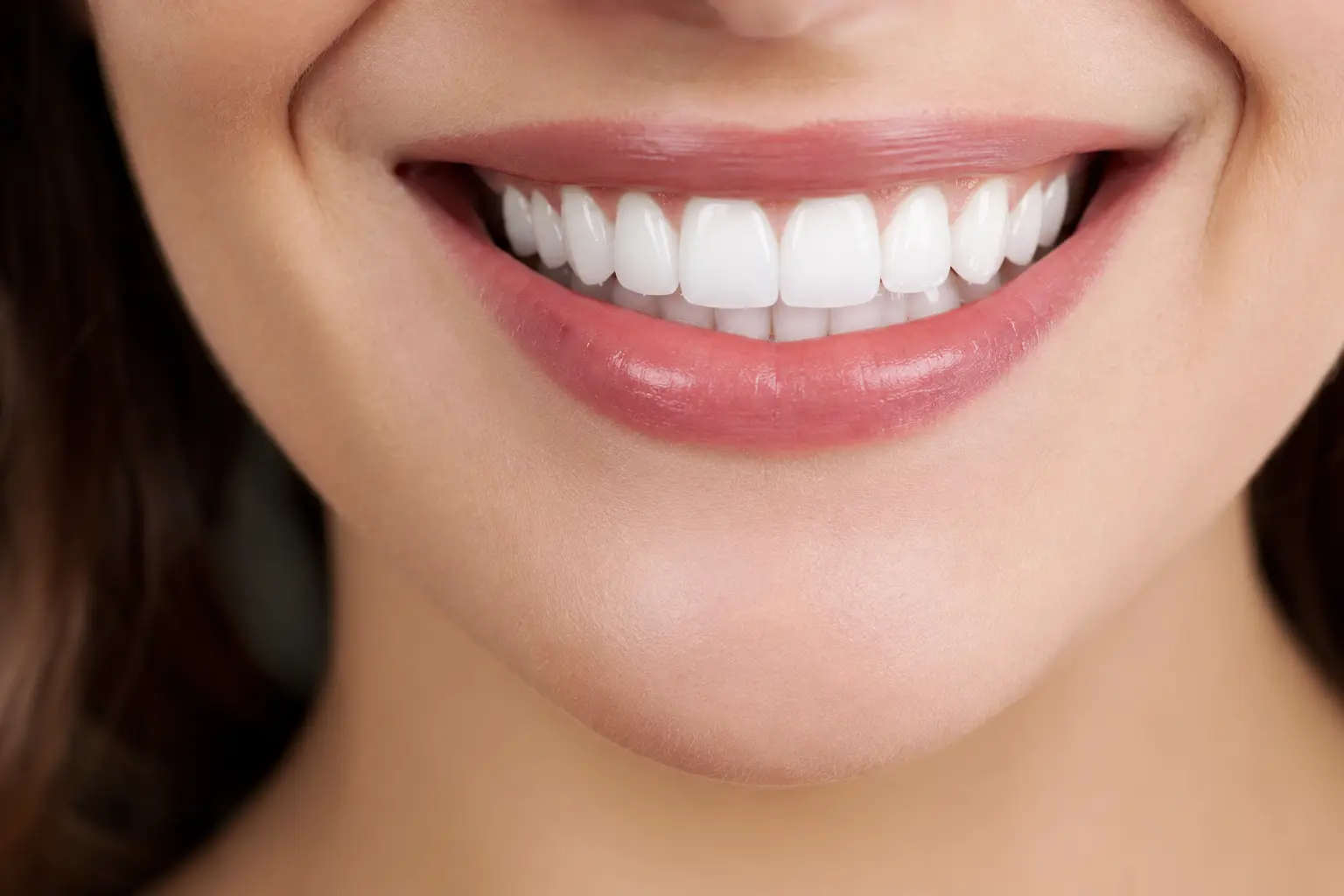
When planning a smile makeover or restoring damaged teeth, the choice of crown material directly affects how your teeth look, feel and last. Two materials dominate modern prosthodontics: Zirconia (zirconium dioxide) and E-Max (lithium disilicate glass-ceramic). Both have replaced traditional metal-supported porcelain in most clinical scenarios, but they serve different purposes.
This guide breaks down the real differences — strength, aesthetics, masking ability and ideal use cases — so you can discuss the right option with your dentist before committing to treatment.
What Is a Zirconia Crown?
Zirconia is a white, metal-free material with exceptional mechanical strength. It replaces the metal substructure used in older crown types and can withstand heavy chewing forces — making it the go-to choice for back teeth (molars), long bridges and implant-supported restorations.
Key Advantages of Zirconia Crowns
- High fracture resistance: handles the heavy grinding forces of posterior teeth and works reliably in long bridge spans.
- Excellent masking (opacity): hides darkened root-canal-treated teeth, tetracycline stains and grey titanium implant abutments.
- Biocompatibility: metal-free, so no purple gum-line discolouration, no recession risk and no allergic reactions.
- CAD/CAM precision: digitally designed and milled for consistent fit and marginal accuracy.
What Is an E-Max (Lithium Disilicate) Crown?
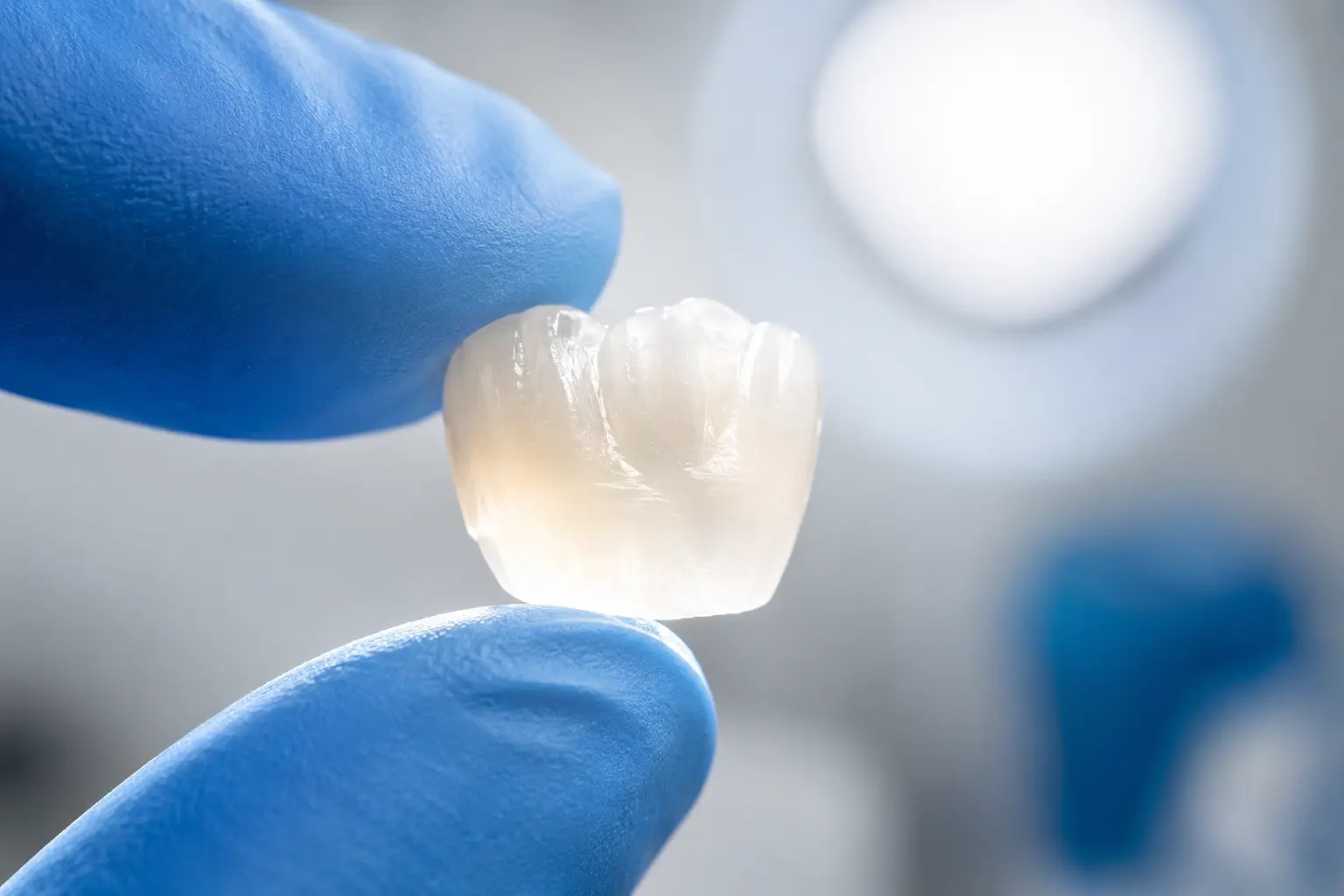
E-Max is a glass-ceramic material that mimics natural tooth enamel more closely than any other crown type. Its high translucency (light transmittance) makes it the first choice for front teeth, smile design and porcelain veneers (laminates) where aesthetics are the top priority.
E-Max crowns bond chemically to the tooth using adhesive cementation. This means less tooth structure needs to be removed during preparation — preserving more of your natural tooth compared to traditional full-coverage crowns.
The trade-off: E-Max does not have the same mechanical strength as Zirconia. It performs well for single crowns (including single posterior crowns with proper technique), but is not recommended for long bridges spanning two or more missing teeth in the back of the mouth.
Zirconia vs. E-Max: 4 Key Differences
| Feature | Zirconia Crown | E-Max Crown |
|---|---|---|
| Aesthetics & Light Transmittance | Good. More opaque than E-Max — transmits less light through the crown. | Excellent. Closest match to natural enamel translucency. |
| Strength (Fracture Resistance) | Very high (~1,200 MPa). Ideal for molars and long bridges. | High (~400 MPa). Strong for single crowns, not for long bridge spans. |
| Masking Ability | Excellent. Covers dark teeth, discolouration and implant abutments. | Limited. High transparency can reveal dark substrates underneath. |
| Best Application | Back teeth, bridges, implant-supported prosthetics. | Front teeth, veneers, smile design, single posterior crowns. |
Zirconia and E-Max Crown Prices (2026)
Crown costs depend on several factors: the scanning technology used, the dentist's expertise, and the quality of laboratory workmanship. As a general rule, E-Max crowns tend to cost slightly more than Zirconia due to the precision aesthetic work required in the lab.
For an accurate quote, a clinical examination and X-ray are necessary first. Many patients travelling to Turkey for dental treatment find that both materials are significantly more affordable than in Western Europe or the UK — without compromising on quality, since the same CAD/CAM systems and certified materials are used.
Which Crown Material Is Right for You?
Material selection should never be random. At our clinic in Side, Turkey, the decision is based on a detailed analysis of your bite forces, the number of teeth involved, the colour of the underlying tooth structure and your aesthetic goals. The process follows three steps:
In many smile makeover cases, the best approach is a combination: E-Max for the front teeth visible in the smile line, and Zirconia for the posterior teeth that handle chewing forces.


