Quick Overview
A dental crown is a cap that covers a damaged tooth to restore its strength, shape and appearance. People usually need crowns when a tooth is cracked, heavily filled, root-canal treated, or too worn to hold a simple filling.
What Is a Dental Crown?
A dental crown covers the entire visible part of a tooth above the gumline. It can be made from zirconia, lithium disilicate (E-Max), porcelain or metal-ceramic combinations. The goal is not only aesthetics but also a stable bite and long-term protection of the tooth underneath.
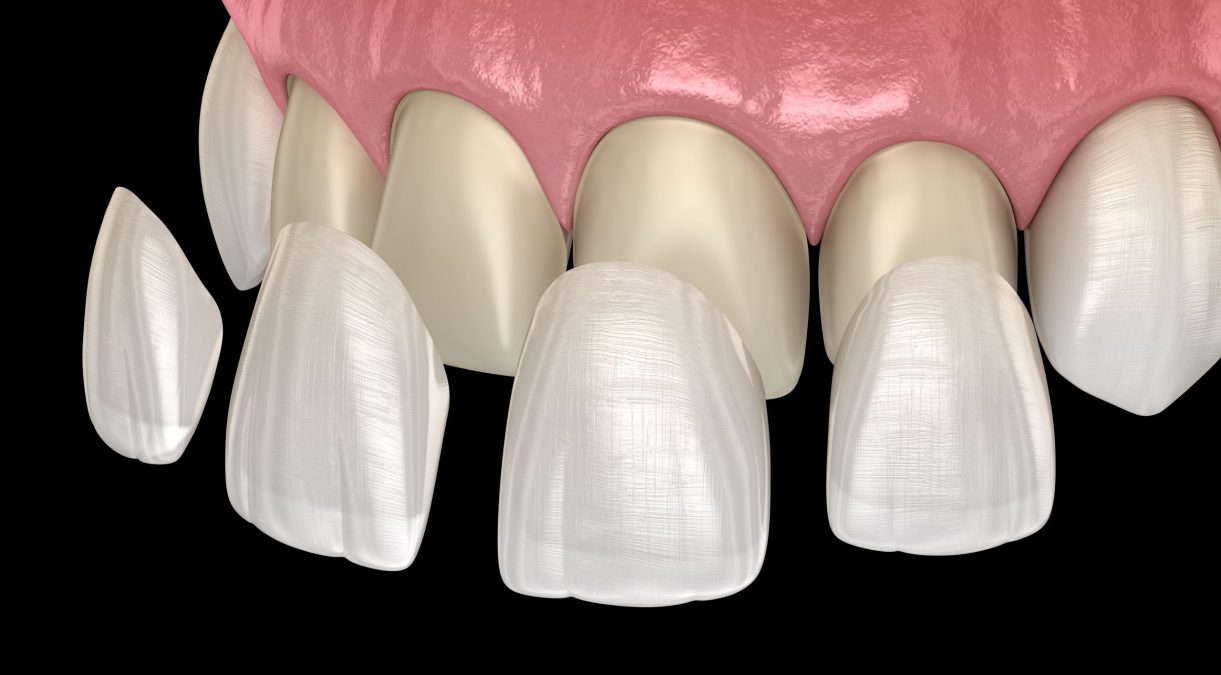
Crowns are different from veneers: veneers cover only the front surface, while crowns wrap around the entire tooth. If a tooth is structurally weak, a crown is the more protective option.
How Is a Dental Crown Done?
Most crown treatments follow these steps. The timeline depends on your case, number of teeth and the chosen material.
1) Examination and planning
Tooth health, gum condition and bite are assessed. X-rays or CBCT scans may be needed to rule out infection or deep cracks.
2) Tooth preparation (controlled shaping)
The tooth is shaped so the crown fits securely. The goal is to remove as little structure as possible while achieving proper strength and aesthetics.
3) Digital scan or impression
A precise intraoral scan or impression is taken. This is used to design the crown digitally — shape, bite and shade are all planned at this stage.
4) Temporary crown
A temporary crown protects the tooth and lets you test comfort and appearance before the final restoration is ready.
5) Try-in and bite check
Shade, margins and bite contact points are checked and adjusted before final cementation.
6) Cementation (final bonding)
The crown is fixed permanently, then polished and checked for comfort and floss access.
How Long Do Dental Crowns Last?
Well-made crowns can last 10–15 years or longer, but lifespan depends on bite forces, oral hygiene and the crown material. One of the biggest "silent" risk factors is nighttime clenching or grinding. If you suspect this, read our guide on teeth grinding and jaw clenching (bruxism).
- Good habits: consistent brushing + flossing, regular check-ups, avoiding biting hard objects.
- Risk factors: bruxism, very acidic diet, poor flossing, untreated gum disease.
How Many Types of Crowns Are There?
The best crown material depends on your case. Front teeth usually prioritise translucency, while back teeth prioritise strength. For a detailed comparison of the two most popular options, see our Zirconia vs. E-Max crowns guide.
1) Zirconia crowns
Very strong, metal-free and gum-friendly. Widely used for back teeth, long bridges and implant-supported restorations. Also suitable for front teeth when designed with layered aesthetics.
2) E-Max (lithium disilicate) crowns
High translucency and natural light transmittance — the top choice for visible front teeth, smile design and porcelain veneers when bite forces allow.
3) Porcelain-fused-to-metal (PFM) crowns
Durable and cost-effective, sometimes used for back teeth. In some cases, a darker line near the gumline may become visible over time as gums recede.
4) Full porcelain / all-ceramic crowns
Natural colour stability and good biocompatibility. Suitability depends on bite forces and tooth position.
Dental Crown Costs: Turkey vs UK/US
Crown price is rarely a single number. Quotes vary based on diagnosis (crack, decay, old root canal), material, and how much preparatory work is needed before the crown itself. The key is understanding what your quote includes — not just the per-tooth figure.
| Crown Type | Turkey (approx.) | UK (approx.) | US (approx.) |
|---|---|---|---|
| Zirconia crown | €150–€300 | £500–£1,000 | $800–$1,500 |
| E-Max crown | €200–€350 | £600–£1,200 | $900–$1,800 |
| PFM crown | €100–€200 | £400–£800 | $700–$1,200 |
Ranges are approximate and depend on clinic, lab quality and case complexity. In the UK, NHS Band 3 covers crowns at a fixed charge; private fees vary widely. Always compare what's included (exam, X-ray, temporary, bite adjustments, follow-ups).
| Cost Driver | Why It Matters |
|---|---|
| Material choice | Zirconia, E-Max, PFM — different lab workflows, strength profiles and shade-matching requirements. |
| Tooth condition | Deep decay, cracks or old fillings may require build-ups or additional treatment before the crown. |
| Number of teeth | Single crown vs multiple units affects bite planning, lab time and overall cost. |
| Bite adjustments | Proper occlusion prevents chipping, sensitivity and long-term stress on the restoration. |
| Clinic & lab standards | CAD/CAM accuracy, shade work and quality control directly affect both cost and outcome. |
Can a Crowned Tooth Decay?
Yes — crowns don't decay, but the natural tooth underneath can. The most common causes are leakage at the crown margin, inconsistent flossing, frequent sugary or acidic intake, and gum recession that exposes the edge.
If the tooth has had a root canal, it's especially important to monitor for swelling, biting pain or a bad taste. Learn more in failed root canal treatment: signs & solutions.
Can You Get a Crown Without Shaving the Tooth?
In most cases, a crown requires some tooth preparation so it fits securely and looks natural. However, the amount removed can be minimal — especially if the tooth is already reduced by wear or an old restoration.
How Is a Crown Removed or Replaced?
Dentists remove crowns by carefully cutting through the material and lifting it off without damaging the underlying tooth more than necessary. The tooth is then evaluated — if there's decay, leakage or bite issues, those are corrected before a new crown is placed.
- Common reasons for replacement: margin leakage, chipping, recurrent decay, bite problems, cosmetic mismatch.
- Tip: A loose crown should be seen promptly — bacteria can enter the gap quickly and cause decay.
Aftercare Tips & Warning Signs
- First 48 hours: avoid very hard foods; chew gently until you feel fully confident with the new crown.
- Daily care: brush twice daily and floss around the crown margins to prevent leakage and gum disease.
- If you grind at night: consider a custom night guard — bruxism is one of the top reasons crowns chip or crack.
- When to call your dentist: persistent biting pain, swelling, sudden cold sensitivity or a crown that feels loose.
If sensitivity spikes after a cosmetic procedure and you're unsure what's normal, see teeth whitening sensitivity: normal vs warning signs for practical guidance.